
Omega-3 Deficiency Symptom Checklist, Foods, and Favorite Supplements
2025-11-05The typical Western diet is very high in omega-6 fatty acids (found in vegetable oils like soybean, corn, and sunflower oil, as well as processed foods). While omega-6s are essential, excessive amounts promote inflammation in the body.
Omega-3s (especially EPA and DHA) are anti-inflammatory. The goal is to balance the two.
Humans evolved with an omega-6 to omega-3 ratio of roughly 1:1 to 4:1. The current ratio for most Americans is between 10:1 and 20:1, heavily skewed towards omega-6.
The NIH has set an adequate daily intake level for omega-3.
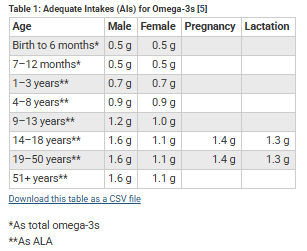
However, a lot of people may need more to counterbalance the amount of omega-6's they consume.
Some symptoms of omega-3 deficiency, in relation to omega-6 intake, are:
- Fatigue
- Dry or rough skin
- Cuts and scrapes taking longer to heal than usual or longer than other people
- More inflammation or joint pain than usual or than others
- Brain fog
- Difficulty concentrating
- Memory problems
- Mood swings
- Going from happy to upset over little things
- Explosive temper
- Anxiety
- Depression
- ADHD-like symptoms (especially in children)
- Blurred vision
- Dry eyes
- High blood pressure
- High blood triglycerides
- Irregular heartbeat
- Cuts and scrapes clot faster than usual or faster than others
- Getting colds or the flu more often than usual or more frequently than others
- Flares of autoimmune disease
- Chronic inflammatory conditions like arthritits, eczema, asthma
- Dry, flaky, or itchy skin
- Red, irritated patches on skin
- Dandruff
- Brittle hair
- Hair thinning or hair loss (all over head, not in patches)
- Soft or brittle nails
- Difficulty with night vision
- Poor growth or developmental delays (in children)
- Behavioral issues such as aggression or hyperactivity (in children)
- Learning difficulties
Increasing Your Omega-3 Intake
Getting your omega-3 intake from food isn't easy, but it's achievable.
Some foods high in omega-3 are:
1. Fatty Fish: The absolute best sources. A 3.5-ounce (100g) cooked serving provides:
- Mackerel: ~ 4,580 mg of EPA & DHA (King mackerel is high in mercury; opt for Atlantic or Spanish mackerel).
- Salmon (especially wild-caught): ~ 2,150 mg (Farm-raised is also a very good source, usually around ~1,800 mg).
- Herring: ~ 2,150 mg
- Sardines (canned in oil): ~ 1,480 mg (Also an excellent source of calcium if you eat the bones!).
- Anchovies: ~ 1,200 mg
- Tuna (Bluefin): ~ 1,700 mg (Canned light tuna is a more affordable and lower-mercury option with ~250 mg per serving).
- Rainbow Trout: ~ 1,000 mg
- Oysters: ~ 670 mg (Also high in zinc).
2. Fish Roe (Caviar): A very concentrated source, with about 6,800 mg per tablespoon, but it's typically consumed in small quantities due to cost.
3. Seaweed and Algae: The only primary plant source of pre-formed EPA and DHA. This is crucial for vegetarians and vegans.
- Algal Oil: Available in supplement form (softgels or liquid), this is how fish get their omega-3s. It's a direct, sustainable source.
- Edible Seaweeds (e.g., Nori, Wakame, Spirulina, Chlorella): While not as concentrated as algal oil supplements, they are excellent whole-food sources to incorporate into your diet.
Supplements:
If getting your omega-3 intake via food isn't achievable, you can take omega-3 supplements. Some of our favorites are:
For Adults:
Nordic Naturals Soft Gels (1280mg/ 2 soft gels): Amazon link
Carlson Labs Elite Omega-3 Soft Gels (1600mg/ 2 soft gels): Amazon link
For Kids (and Adults!):
Nordic Naturals Zero Sugar Ultimate Omega Gummy Chews in Tropical Fruit (1200mg/ 2 chews): Amazon link
Barlean's Omega 3 Fish Oil Liquid Supplement for Kids, Chirpin' Slurpin' Lemonade (540mg/ 1.5tsp): Amazon Link